
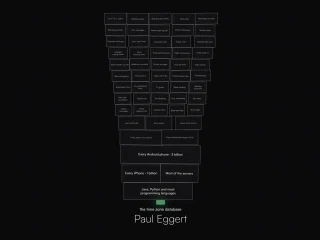
Billions of phones run on code looked after by a handful of people. We counted them from the code itself.
Von sheet.works, die wir zuletzt schon mit ihren tollen Data Drops hier hatten, kommt nun ein Artikel, der visuell schön aufbereitet, prüft, wie wahr der legendäre Dependency-Comic1 von xkcd ist.2 Stellt sich heraus, sehr wahr:
We downloaded the full history of 23 pieces of software that phones, browsers and servers depend on, and counted everyone who made ten or more changes to each one between October 2025 and October 2026. Then we listed what is actually installed on an Android phone, an iPhone and a Windows PC.
11 of 23 projects had one or two people doing the regular work.
Und wenn die Personen ausfallen, passiert bestenfalls nichts & im schlimmsten Fall werden Sicherheitslücken ausgenutzt oder gar eingeschleust. Was eine Farce ist, weil die Tech-Unternehmen, die diese Open-Source-Softwares einsetzen, Fantastilliarden verdienen. (via Christoph und DenkfabrikBlog)
- Hier als interaktive Physik-Demo. [↩]
- Und dass sie dazwischen eines ihrer Word Games promoten, lassen wir mal außen vor, wir müssen schließlich alle von irgendetwas leben. [↩]

Kommentieren