
Minimalistische, kostenfreie Tools ohne Tracking für iOS und macOS. Es gibt bereits Notizen- und Erinnerungs-Apps; ein „hyper-minimalistischer“ Email-Client ist schon in der Mache. Toole Idee. Ich persönlich brauche mehr Features, aber viele eben nicht. (via Ligne Claire)
#apps (150)
Status 2022-08-05 08:30
Version 1.0.9 of Yonks is now available for iOS. It fixes a bug with the calendar export and optimizes some inner workings for iOS 16.
Also, – and this is available on Android as well – I’ve updated the suggestions and added the best countdown ever: the estimated due date of our daughter. 🥰

Status 2022-05-05 16:57

Just got the brand new »The iOS App Icon Book« by Michael Flarup, a great overview/history of outstanding app icon design.
And then on page 119… is my work for Yonks. 😳🎉 I feel really honored to see my work next to all my favorite app icons of the past 15 years.
Status 2021-12-01 22:31

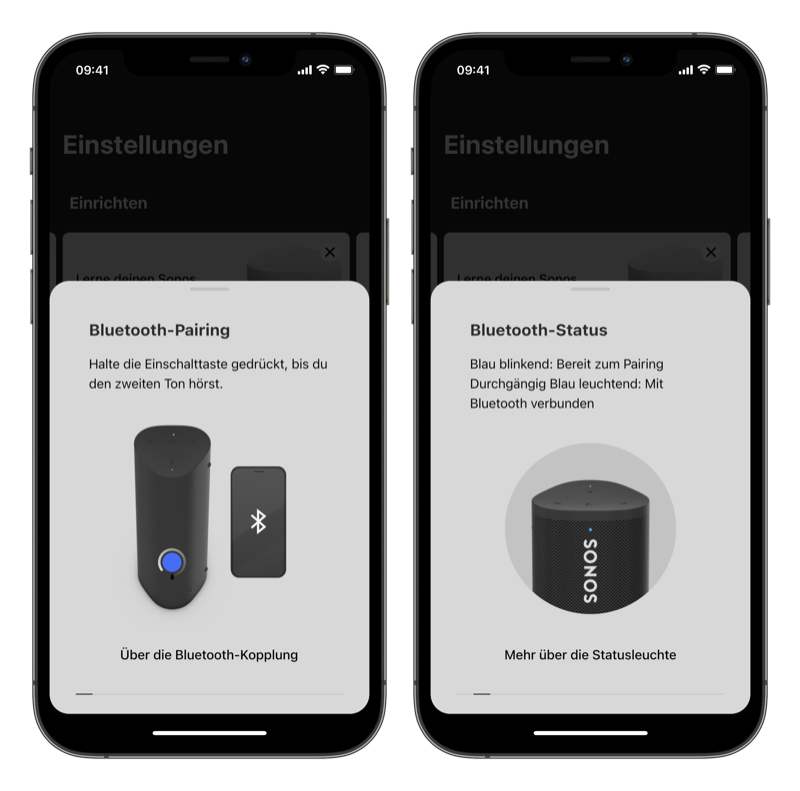
Habe den Black Friday dazu genutzt, meine AirPlay2-isierung zu vollenden und den letzten Nicht-AirPlay-Lautsprecher – eine 5 Jahre alte JBL Charge – durch einen Sonos Roam ausgetauscht. Wegen Betrieb im Bad sollte es nämlich wasserdicht sein, was viele Geräte disqualifizierte.
Ersteindruck ist auf jeden Fall schon mal gut: Nicht ganz so laut wie die Charge, dafür aber vor allem bei Sprache klarer. Setup lief im Gegensatz zu den Symfonisk-Lautsprechern problemlos. Das Onboarding in der Sonos-App ist vorbildlich (auch im Gegensatz zu Symfonisk):
Kickstarter: The iOS App Icon Book
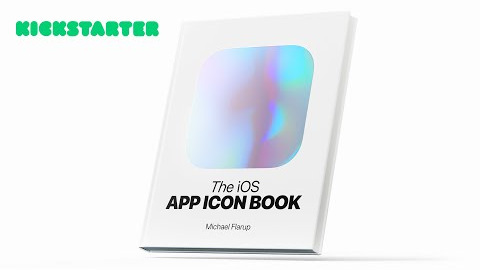
A beautiful hardcover book that celebrates the art and craft of app icon design.
Schönes Projekt von Michael Flarup, das nach 8 Stunden bereits mehr als 4-fach finanziert wurde, Tendenz steigend. Ich habe heute Mittag auch direkt was eingeworfen.
Update, 05.05.2022: Das Yonks-Icon hat’s auch ins Buch geschafft! 🎉
Status 2021-10-06 10:30

Manyverse – a social network off the grid
Manyverse is a social networking app with features you would expect: posts, likes, profiles, private messages, etc. But it’s not running in the cloud owned by a company, instead, your friends‘ posts and all your social data live entirely in your phone. This way, even when you’re offline, you can scroll, read anything, and even write posts and like content! When your phone is back online, it syncs the latest updates directly with your friends‘ phones, through a shared local Wi-Fi or on the internet.
Nicht getestet, aber super spannender Ansatz. (via THEFUTURE #76)
“WhatsApp kann Nachrichten doch lesen? Moment, bitte!”
Michael beschreibt, was es mit der Meldung von ProPublica auf sich hat, wonach Facebook weltweit rund tausend Mitarbeiter unterhält, die die eigentlich verschlüsselten WhatsApp-Chats mitlesen.
Nämlich nicht viel. Tatsächlich ist das Vorgehen von Facebook an dieser Stelle ausnahmsweise mal lobens- und für andere Dienste nachahmenswert.
Google’s Messaging Mess: A Timeline
16 Jahre Produktchaos von Google Chat über Google Talk, Google Hangouts, Google Allo, Google Hangout Meet und zurück.
Wir benutzen die mittlerweile „Google Meet“ getaufte Video-Conferencing-Lösung von Google seit Beginn der Pandemie bei Hypercode. Und während wir mit der Technik und Qualität sehr zufrieden sind, ist der Rest in der Tat “a mess”: Regelmässig wechselnde Namen, Features und User Interfaces – und das in der Regel ohne Info oder Vorwarnung. (via Daring Fireball)
The OldOS Project – iOS 4 als SwiftUI-App umgesetzt
OldOS is a testament to the days of yesteryear, showcasing what iOS once was ten years ago. The ethos of the app is to merge the technologies of today with a pixel-perfect recreation of the user experience of the past. The vast majority of apps in OldOS are fully functional — meaning they seamlessly integrate with the data on your phone to deliver a live, emulator-esque experience.
Der 18 jährige Zane Kleinberg wird sich wahrscheinlich nie mehr Sorgen um einen Job machen müssen, hat er doch mal eben iOS 4 von 2010 mit SwiftUI nachgebaut und eine lauffähige, Emulator-ähnliche iOS-App draus gemacht, die per Datenfreigabe auch direkt die eigenen Fotos usw. „in iOS 4“ anzeigt.
Die ganze App ist 100 MB klein. Hier ein Twitter-Thread, in dem er Links zu TestFlight-Installationen und alternativen App Stores gepostet hat. Hier ein Foto von meinem iPhone 12 Pro mit iOS (1)4 und Home-Button, emuliert durch Zanes App. Verrückt und beeindruckend. (via Daring Fireball)


github.com
GitHub - zzanehip/The-OldOS-Project: Recreating a fully functional version of iOS 4 in SwiftUI.
Recreating a fully functional version of iOS 4 in SwiftUI. - GitHub - zzanehip/The-OldOS-Project: Recreating a fully functional version of iOS 4 in SwiftUI.