#natur (14)

Seite 1 von 2

World’s oceans hit highest temperature on record as El Niño grows

The average surface temperature of the planet’s seas outside the polar regions hit 21.1C (70F) on Saturday, according to figures from the European Copernicus climate change service.

Ein | Rekord | jagt | den | nächsten.

Aber keine Sorge auch Europa ist wieder vorne mit dabei. Hier eine Meldung von vor zwei Wochen: „Alarmstufe Rot: Das Meer brodelt wie im Golf von Mexiko“, Auszug:

Italien glüht. In Neapel werden 48 Grad registriert. Selbst das Mittelmeer erreicht Temperaturen von 32 Grad. Der Sommer 2026 könnte zum heißesten der Geschichte werden.
World's oceans hit highest temperature on record as El Niño grows | OpenGraph Preview Image
bbc.com

World's oceans hit highest temperature on record as El Niño grows

The record "is another clear signal of an ocean under growing stress", according to Dr Samantha Burgess from the European Copernicus climate change service.

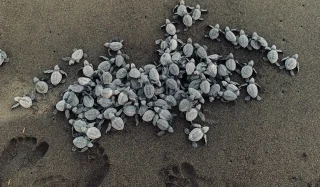
Sea Turtle Sex Crisis: Why 99% Are Now Female

Sand temperatures above 29°C now produce 95–99% female sea turtles instead of the historical 50–50 ratio, creating a reproductive bottleneck that could collapse populations within two generations.

Was Mikroplastik für die Feritilität beim Menschen ist, scheint warmer Sand für Meeresschildkröten zu sein. Und vermutlich auch für andere (Meeres-)Tiere. Und ich verspüre jetzt nochmal den Drang, »Children of Men« zu gucken. Scheint nochmal relevanter zu werden. (via Kottke)

Sea Turtle Sex Crisis: Why 99% Are Now Female | OpenGraph Preview Image
mazingamazingly.blogspot.com

Sea Turtle Sex Crisis: Why 99% Are Now Female

Sea turtle nesting sites are experiencing a silent reproductive catastrophe: rising sand temperatures have pushed sea turtle sex ratio to a dangerous 99% female on some beaches, eliminating breeding males from entire generations.

Your Name in Landsat

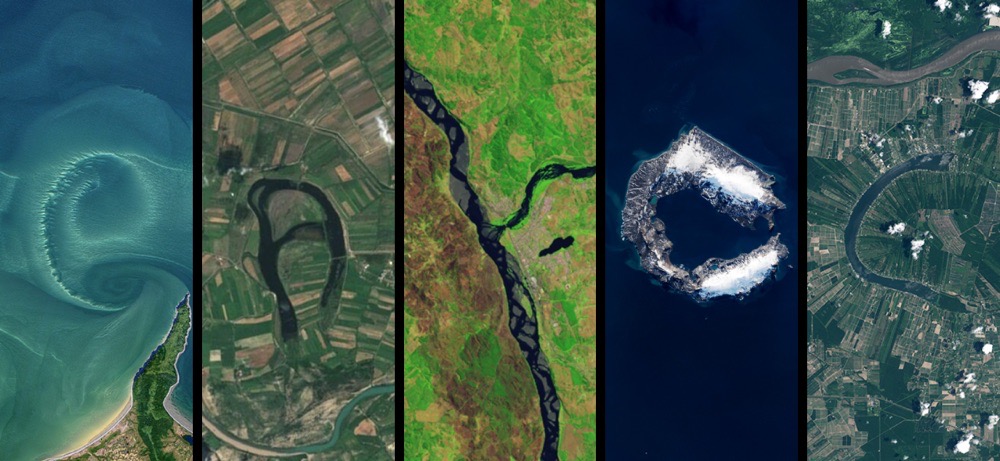
Fünf Satellitenbilder, die die Buchstaben 'e a y c c' abbilden.

Landsat ist das Satelliten­programm der NASA zur Beobachtung der Erd­ober­fläche. Auf Basis dieser Bilder haben sie Landschaften, Flüsse, Küsten und Wolken­formationen zusammen­gestellt, die wie Buch­staben aussehen und ein Tool gebaut, mit dem man seinen Namen (oder den seines Blogs) aus diesen Satelliten­bildern zusammen­setzen kann. Und praktischer­weise lassen sich sämtliche Buch­staben zusätzlich auch hoch­auflösend herunter­laden – nützlich falls ihr mal ein Namens­geschenk oder ähnliches braucht.

Your Name in Landsat - NASA Science | OpenGraph Preview Image
science.nasa.gov

Your Name in Landsat - NASA Science

With this online interactive, users can type in their name then view and export the graphic of that name spelled out in Earth features found in Landsat images.

Status 2025-03-12 07:50

Ich habe Sonntagnacht mitten in einem hiesigen Ort (Bergheim-Fliesteden) aus dem Auto heraus einen Wolf gesehen und – nach googeln, was man dann macht – das Landesumweltamt darüber informiert.

Da wir in einem Gebiet wohnen, in dem das eher untypisch ist, habe ich etwas an mir gezweifelt. Aber jetzt häufen sich die Sichtungen in unserer Gegend, u.a. im benachbarten Bergheim-Glessen. 🐺

One Minute Park

One Minute Park allows you to visit parks from around the world for one minute each. These are just one minute videos, not webcams. Eventually the project will fill in all the minutes (1440) in a day. You can create your own One Minute Park to help achieve this goal.

Schönes Projekt von Elliot Cost. (via Waxy)

Update, 24.07.2026: Ich habe gerade eine weitere Seite von Elliot Cost verlinkt und dabei gesehen, dass die URL, die bisher hier verlinkt war (sites.elliott.computer/one-minute-park/), mittlerweile 404’d, weshalb ich diese mit der aktuell gültigen aktualisiert habe. Sprich der Link funktioniert wieder.

One Minute Park | OpenGraph Preview Image
oneminutepark.tv

One Minute Park

available at a park near you

The species that went extinct in 2018

Der Wilflife Ecologist David Steen stellt in seinem Blog seit 2012 jährliche Listen mit ausgestorbenen Spezies zusammen – weil das sonst niemand macht:

Since 2012 I have gathered in one place a list of all the animals that went extinct in the previous year. Click here for the 2017, 2016, 2015, 2014, 2013, and 2012 editions. I started this series because I didn’t know of anybody else summarizing this kind of important information. Interestingly, now I keep getting e-mails from people that found one of my lists and want to know if I know of a website that compiles lists of species that have recently gone extinct. Yes there is; you are reading it.