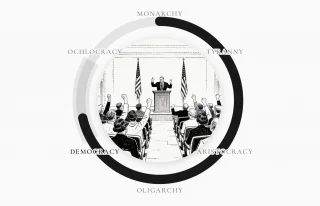
Why do super rich people exist in a society?
Sehr schön aufbereitetes, visuelles Essay von The Pudding über das „Yard Sale Model“, das die ungleiche Verteilung von Wohlstand aufzeigt.
Das Weblog von Stefan Grund, der im Netz als @eay unterwegs ist und hier seit 2003 über Medien, Popkultur und Technologie schreibt. Mehr »
Why do super rich people exist in a society?
Sehr schön aufbereitetes, visuelles Essay von The Pudding über das „Yard Sale Model“, das die ungleiche Verteilung von Wohlstand aufzeigt.
Why some mathematicians argue the economy is designed to create a few super rich people – unless we stop it.
Explore the Marvel Cinematic Universe like never before! Each main character and actor is connected to the movies they appear in, allowing you to see the connections between your favorite Marvel heroes (or villains).
Schöne Übersicht über das MCU und seine Zusammenhänge von Tristan Guillevin.
Enter the RSS feed of a podcast, and see all of their public statistics.
Interessantes Tool von Alex Barredo, das z.B. schön visualisiert, wie häufig ein Podcast veröffentlicht wird und wurde. Hier etwa die Statistiken für Second Unit.
Bleiben wir bei Größenverhältnissen: James Talmage und Damon Maneice haben ein Tool gebaut, das die Verzerrung unserer Weltkarte aufzeigt, indem man Länder verschieben und etwa über andere Kontinente legen kann. So sieht man dann z.B. dass Europa größer dargestellt wird als es eigentlich ist. (via THEFUTURE #84)
Javier Bórquez hat Emojis in Relation zueinander gestellt. Vom 🦟 bis zur 🌞. (via Waxy, wo Andy Baio nach all den Jahren endlich Permalinks für seine Link-Posts eingeführt hat! 🎉)
The risk of contagion is highest in indoor spaces but can be reduced by applying all available measures to combat infection via aerosols. Here is an overview of the likelihood of infection in three everyday scenarios, based on the safety measures used and the length of exposure.
Sehr anschauliche Visualisierung in der spanischen El Pais. (via Waxy)
This is an audio-visual time-lapse of every death from the Coronavirus pandemic from January to June 2020. […] Each country is represented by a tone and an expanding blip on the map when a death from Covid-19 is recorded. Each day is 4 seconds long, and at the top of the screen is the date and a counter showing the total numbers of deaths.
Eine sehr eindringliche, bedrückende Arbeit vom Komponisten James Beckwith, die in 13 Minuten alle Coronavirus-bedingten Tode von Anfang Januar bis Ende Juni visualisiert und auditiv erlebbar macht. Und von der es wohl leider eine Fortsetzung geben wird:
The virus grows continuing to work its way throughout the world until the end of June – where this piece ends but the real virus has not. At the time of writing this Covid-19 has claimed over 500,000 deaths worldwide. It is likely a sequel will need to be made.
(via Kottke)
Von dem Epidemiologen Marcel Salathé und der Creative-Coderin Nicky Case kommt die bisher beste, interaktive (!) Erklärung der unterschiedlichen Corona-Maßnahmen und welche Auswirkungen diese auf die Reproduktionszahl haben. Must-Read/-Play!
Die Washington Post zeigt hier anhand von ein paar sehr guten Visualisierungen sehr anschaulich, was “flatten the curve” bedeutet und worin die Unterschiede von Quarantäne und Social Distancing liegen.
Schöne Infografik(en). Und bei uns ist es natürlich ein Alkohol-related Business.